
Spring in North Texas brings warmer days, rising pollen, and the start of heavier HVAC use. For many homeowners, it also brings sneezing, dust buildup, and the first signs that the cooling system is about to be tested. One of the simplest ways to protect comfort and improve indoor air quality is to stay on top of filter changes. If you are searching for hvac service fort worth, understanding when and why to replace your HVAC filter is a smart place to start.
A clean filter helps your system move air properly, supports better airflow through the home, and reduces the amount of dust and airborne particles circulating indoors. A dirty filter can do the opposite. It can restrict airflow, make your system work harder, reduce comfort, and add stress just before the hottest part of the year arrives. For homeowners in Fort Worth, North Richland Hills, and Richland Hills, spring is the right time to make filter replacement part of a simple seasonal routine.
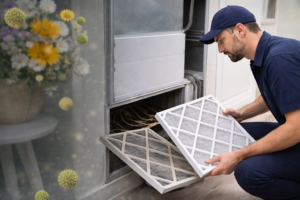
Why HVAC Filters Matter More in Spring
Your HVAC filter plays a bigger role than many homeowners realize. Its job is to capture dust, lint, and other airborne particles before they move deeper into your system and back through your home. During spring, that job gets harder.
North Texas homes often deal with extra pollen, dry air, and outdoor debris during this time of year. Open doors, heavier wind, yard activity, and changing weather can all increase what ends up inside the home. As those particles build up, the filter has to work harder to keep air moving cleanly.
A clean filter helps support:
-
Better airflow through the system
-
More consistent indoor comfort
-
Cleaner air moving through living spaces
-
Less strain on HVAC equipment
A dirty filter can lead to weaker airflow, more dust indoors, uneven temperatures, and a system that runs longer than it should. In some cases, homeowners may assume they need major service when the real problem starts with something as basic as a clogged filter.
How a Dirty Filter Affects Airflow and Performance
When a filter fills with debris, air has a harder time passing through it. That restriction makes your HVAC system work harder to move the same amount of air. Over time, that can affect both comfort and efficiency.
You may notice that certain rooms feel stuffy, airflow from vents seems weaker, or the system runs longer than normal to cool the house. These issues are frustrating in spring, but they become a bigger concern as temperatures rise heading into summer.
Dirty filters can also affect overall air quality. If the filter is overloaded, it may not do as effective a job handling the particles moving through the home. That matters during allergy season, especially in homes where residents are already sensitive to pollen, dust, or pet dander.
Replacing a filter is one of the simplest steps a homeowner can take to support better performance. It is also one of the easiest things to forget until comfort starts to drop.
HVAC Service Fort Worth: A Simple Spring Filter Change Schedule
There is no one perfect filter replacement schedule for every home. The right timing depends on how the home is used, who lives there, and how much the system is running. Still, a few general guidelines can help homeowners in Fort Worth stay ahead of spring allergy season and prepare for summer.
Standard households
For many homes, replacing the filter about every 60 to 90 days is a reasonable starting point. If the home has average occupancy and no major air quality concerns, this may be enough to keep airflow and performance in good shape.
Homes with pets
If you have one or more pets, the filter often needs more attention. Hair and dander can build up faster than many homeowners expect. In these homes, checking the filter monthly and replacing it about every 30 to 60 days is often a better plan.
Homes with allergy concerns
If someone in the home is sensitive to dust, pollen, or other airborne particles, spring is a good time to be more aggressive with filter changes. In many cases, checking monthly and replacing the filter every 30 to 45 days can help support cleaner indoor air.
Homes with heavier HVAC use
Some households run their system more often because people are home throughout the day, the house gets more sun exposure, or comfort preferences keep the HVAC system cycling more often. In these cases, filters may need to be checked more frequently, especially as outdoor temperatures climb.
A simple routine that works
A practical approach is to inspect the filter once a month in spring, even if you do not replace it every time. A quick check can help you spot buildup before it starts affecting airflow. If the filter looks visibly dirty, it is time to replace HVAC filter elements rather than waiting for a fixed date on the calendar.
Why This Matters in Fort Worth, North Richland Hills, and Richland Hills
Spring conditions in Fort Worth and nearby communities can put extra pressure on HVAC systems. Pollen levels rise, dust moves easily, and warmer afternoons can push cooling systems into more regular use earlier than some homeowners expect.
For homes in North Richland Hills and Richland Hills, the same pattern applies. Even when summer has not fully arrived, the system may already be working harder than it did in winter. A filter that made it through cooler months may not be in good enough shape for spring and early summer demand.
That is one reason routine filter changes matter as part of broader hvac maintenance and repair planning. They support better airflow now and help the system head into summer in better condition. Waiting until comfort drops can mean the equipment has already been under extra strain for weeks.
A simple spring filter routine also helps homeowners stay more aware of how the system is performing overall. If you replace the filter and still notice poor airflow, uneven cooling, or rising discomfort, that can be a sign that the issue goes beyond the filter itself.
When Replacing the Filter Is Not Enough
Changing the filter is important, but it does not solve every HVAC problem. If performance issues continue after a fresh filter is installed, there may be a larger maintenance or repair need.
Signs you may need professional service
You should consider scheduling professional help if you notice:
-
Weak airflow even after changing the filter
-
Warm air coming from vents
-
Uneven cooling between rooms
-
Higher energy bills without a clear reason
-
Unusual noises when the system runs
-
A system that cycles on and off too often
-
More dust indoors even with regular filter changes
These signs can point to issues that go beyond routine upkeep. In those cases, professional hvac service fort worth homeowners can rely on becomes the next step.
Why early service matters
Spring is one of the best times to schedule service because it gives homeowners a chance to address smaller issues before peak summer demand. That matters in Fort Worth, North Richland Hills, and Richland Hills, where long stretches of heat can place real stress on cooling equipment.
A technician can inspect the system, confirm whether airflow issues are filter-related or equipment-related, and help identify problems before they become larger disruptions during hotter weather.
A Simple Seasonal Habit That Pays Off
For many homeowners, replacing the HVAC filter is one of the easiest ways to support better comfort, better air quality, and better system performance during spring. It is a small step, but it can make a noticeable difference as allergy season ramps up and summer gets closer.
If you live in Fort Worth, North Richland Hills, or Richland Hills, spring is the right time to check your filter, replace it if needed, and pay attention to how your system responds. A clean filter supports stronger airflow and helps your HVAC system prepare for the months ahead.
If a new filter does not solve the problem, or if your system is still showing signs of strain, Lawrence HVAC can help. For trusted hvac service fort worth homeowners can count on, schedule service today or request an appointment before spring turns into summer.
5 FAQ Questions and Answers for Schema or Page Enhancement
1. How often should I replace my HVAC filter in spring?
Many homeowners should check their HVAC filter once a month during spring. Replacement timing depends on the home, but common ranges are every 30 to 90 days based on pets, allergies, and system use.
2. Can a dirty HVAC filter affect indoor air quality?
Yes. A dirty filter can reduce how well your system handles airborne particles moving through the home. During allergy season, that can contribute to more dust and discomfort indoors.
3. What are signs that I need to replace my HVAC filter?
Common signs include weak airflow, more visible dust in the home, uneven temperatures, and a filter that looks dirty when inspected.
4. Will replacing my HVAC filter improve system performance?
It can. A clean filter helps support better airflow and reduces unnecessary strain on the HVAC system. If problems continue after a filter change, there may be a larger issue that needs professional service.
5. When should I call for HVAC service instead of just changing the filter?
You should call for service if the system still has weak airflow, warm air, short cycling, unusual noises, or uneven cooling after the filter has been replaced.

